Call us now:
86-22-8834 5196
LIFTCHEM-UV Curing Raw Materials, Pharmaceutical Intermediates
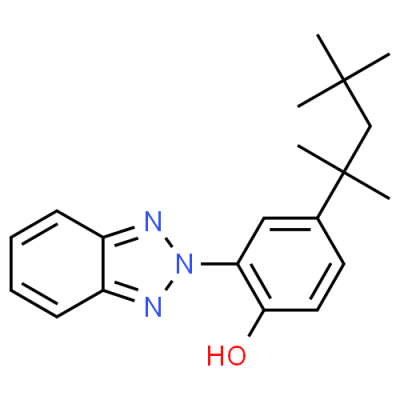
Lisorb UV-320 is a High efficiency UV absorber
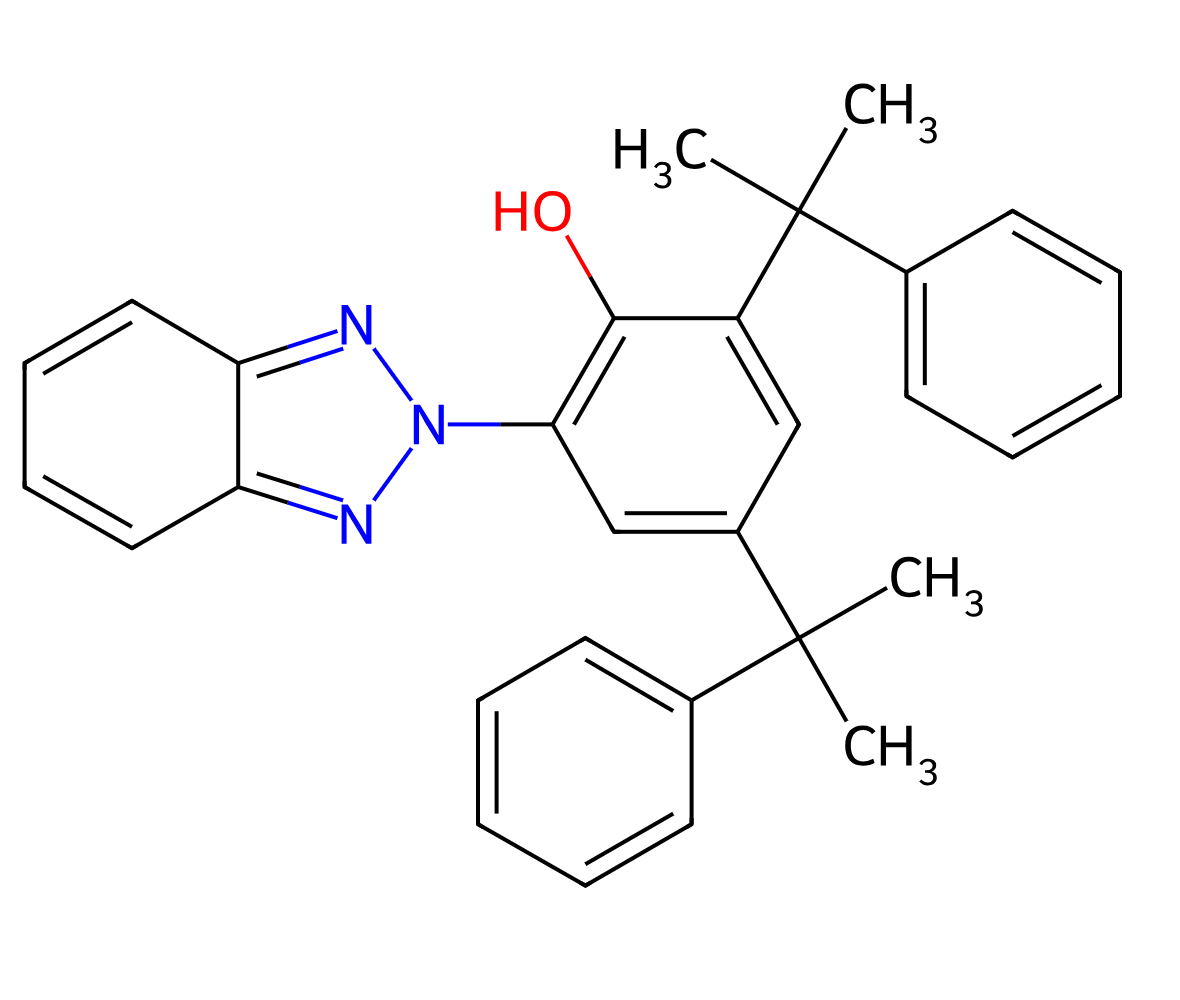
Lisorb UV-234 is a highly efficient benzotriazole-type ultraviolet (UV) absorber widely used in the photostabilization of polymer materials. It effectively absorbs UV light in the 300–400 nm range and dissipates the energy as heat through an intramolecular proton transfer mechanism, thereby protecting materials from UV-induced degradation.
Chemical Name: 2-(2'-Hydroxy-3',5'-bis(α,α-dimethylbenzyl)phenyl)benzotriazole
CAS No.: 70321-86-7
Molecular Formula: C₃₀H₂₉N₃O
Appearance: White to pale yellow crystalline powder
Melting Point: 139–143°C
Absorption Peaks: 302 nm and 343 nm
Purity: Typically ≥99%
Solubility: Soluble in chloroform and dichloromethane, slightly soluble in alcohols, insoluble in water.
Excited-State Intramolecular Proton Transfer (ESIPT)
The hydroxyl group in the UV-234 molecule forms an intramolecular hydrogen bond with the nitrogen atom of the benzotriazole ring. Upon UV absorption, the proton rapidly transfers from the oxygen to the nitrogen, forming a "keto" tautomer. The energy is then released as heat through non-radiative decay, and the molecule reverts to its original structure. This process is reversible and highly efficient, without consuming the absorber.
Secondary Mechanism: Radical Scavenging (minor)
Under extreme conditions, it may assist in scavenging free radicals, but its primary function remains energy dissipation.